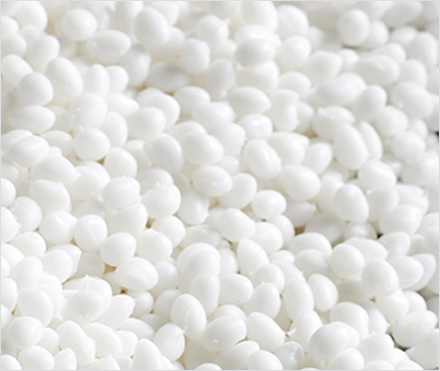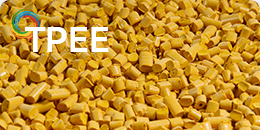
As the new energy vehicle (NEV) industry rapidly evolves, manufacturers are shifting toward high-performance polymer solutions to meet demanding technical requirements. Among these, Thermoplastic Polyurethane (TPU) compounds have emerged as a game-changing material, offering a unique combination of durability, flexibility, and environmental resistance. ATP Polymer Technology, a CNAS-certified leader in polymer innovation, produces premium TPU compounds that enhance safety, efficiency, and longevity in electric vehicle (EV) systems.
With an annual production capacity of 12,000 tons and a world-class R&D team, ATP specializes in high-grade TPU formulations that meet the stringent demands of battery enclosures, cable insulation, interior components, and more.
Superior Mechanical and Thermal Stability for EVs
Unlike conventional rubber or PVC, TPU compounds offer:
High tensile strength (20–60 MPa) – Withstands stress from vibrations and impacts.
Extreme temperature resistance (-40°C to 120°C) – Ensures performance in hot battery compartments and cold climates.
Abrasion resistance – Protects wires and seals from long-term wear.
Tear strength – Critical for flexible seals, gaskets, and hose covers.
Chemical and Environmental Resistance in Harsh Conditions
EV components face exposure to oils, coolants, and UV radiation, making TPU compounds ideal due to:
Hydrolysis resistance – Prevents degradation in humid or wet environments.
Oil and solvent resistance – Essential for battery management systems (BMS) and charging cables.
UV stability – Maintains integrity in exterior components.
Lightweight Yet Durable – Optimizing EV Efficiency
EV manufacturers prioritize weight reduction to enhance battery range. TPU compounds provide:
Lower density than metals and many plastics.
Excellent strength-to-weight ratio.
No corrosion risk, unlike metal alternatives.

TPU compounds play a critical role across multiple systems in new energy vehicles (NEVs), offering tailored solutions that meet demanding performance requirements. In battery enclosure seals, these materials provide flex fatigue resistance and chemical protection to safeguard battery packs from moisture and dust while withstanding continuous compression cycles. The exceptional dielectric strength and flame retardancy of TPU make it ideal for insulating high-voltage cables, reducing fire risks in energy-dense battery systems. Charging connectors benefit from TPU's unique combination of wear resistance and shape memory to maintain secure electrical connections through repeated use cycles. For interior applications, TPU delivers both functional and aesthetic advantages through soft-touch surfaces with superior noise dampening and shock absorption properties, while in thermal management systems, heat-resistant and leak-proof TPU formulations ensure reliable coolant transfer in high-temperature battery environments, outperforming conventional materials in both durability and safety performance.
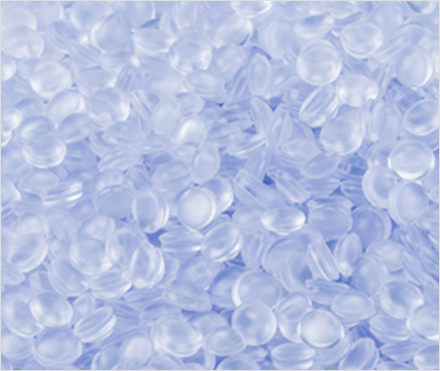
Property | Silicone | PVC | TPE (Thermoplastic Elastomer) | TPU (ATP Grade) |
Tensile Strength (MPa) | 5–10 | 10–25 | 5–15 | 20–60 |
Temperature Range (°C) | -60–230 | -10–60 | -30–90 | -40–120 |
Flame Retardancy (UL94) | V-1/V-0 | V-2 (poor) | V-2 (poor) | V-0 (Best) |
Chemical Resistance | Good | Fair | Poor (swells in oil) | Excellent |
Recyclability | No | Limited | Yes | Fully Recyclable |
ATP's TPU compounds outperform competing materials in mechanical robustness, fire safety, and sustainability, making them ideal for next-gen EV designs.
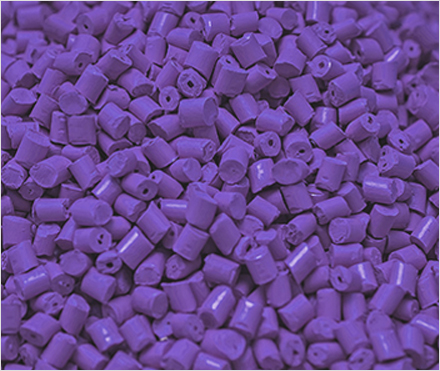
ATP's advanced TPU solutions are engineered specifically for high-performance electric vehicles, including:
Flame-retardant TPU – Meets UL94 V-0, IEC 60332-3 for battery safety.
Electrically insulating TPU – Prevents short circuits in high-voltage EV systems.
Thermally conductive TPU – Enhances battery cooling efficiency.
Bio-based TPU – Reduces carbon footprint without compromising performance.
With cutting-edge R&D from top Chinese universities, ATP continuously refines TPU compounds to meet automotive industry standards (ISO 6722, SAE J2642, and LV 312-1).
As new energy vehicle adoption accelerates, TPU compounds have become indispensable for lightweighting, safety, and durability. ATP Polymer Technology, with its expert production and R&D capabilities, stands as a trusted partner for EV manufacturers seeking high-performance, sustainable polymer solutions.
Whether for battery protection, high-voltage cables, or interior comfort, TPU compounds redefine what's possible in electric vehicle innovation.