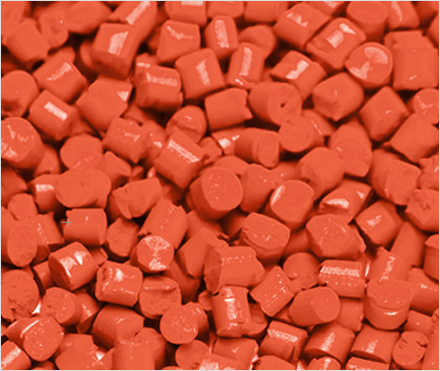
In today's world, where safety and environmental sustainability are top priorities, low smoke zero halogen (LSZH) material has emerged as a superior alternative to traditional polymer compounds. Unlike conventional halogenated materials such as PVC, LSZH eliminates toxic byproducts when exposed to fire, making it essential for high-risk environments like public transportation, smart buildings, and data centers. ATP, a leading national high-tech enterprise specializing in advanced polymer materials, is at the forefront of developing high-performance LSZH compounds that meet stringent global safety standards.
Fire safety is a crucial concern in densely populated spaces such as subways, hospitals, and office buildings. Traditional halogenated cables release thick, obscuring smoke and toxic gases like hydrogen chloride when burned, which can be fatal before flames even spread. ATP's LSZH material, by contrast, produces minimal smoke (less than 15% opacity) and zero halogen-based toxins, ensuring better visibility and reduced chemical hazards during emergencies. This makes LSZH an indispensable choice for applications where human lives depend on rapid and safe evacuation.
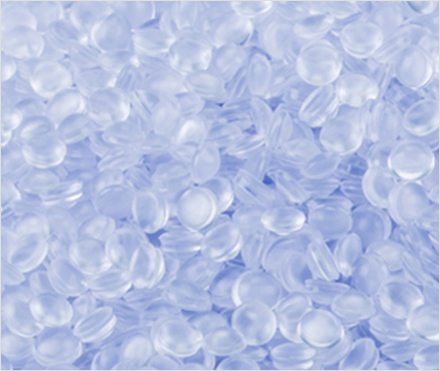
A key differentiator of LSZH material lies in its composition. While PVC and other halogen-containing polymers release corrosive and poisonous gases when burned, LSZH eliminates this risk entirely. For example, ATP's LSZH compounds do not emit dioxins or other carcinogenic substances, making them safer for both humans and the environment. Additionally, unlike conventional materials that generate thick, black smoke, LSZH maintains clear air passageways during fires, enhancing rescue efforts. This makes ATP's LSZH the preferred choice for industries where regulatory compliance and safety are non-negotiable, such as rail transit, military applications, and telecommunications.
Here is a detailed comparison:
Property | LSZH Material (ATP's Solution) | Conventional Halogenated Cables (e.g., PVC) |
Halogen Content | Zero halogens (no chlorine, bromine, etc.) | Contains halogens (chlorine in PVC) |
Toxic Emissions | No toxic/carcinogenic gases (no dioxins) | Releases hydrogen chloride, dioxins when burned |
Smoke Production | Minimal smoke (<15% opacity) | Thick, black smoke (>60% opacity) |
Fire Safety Impact | Clear visibility for evacuation and rescue | Obstructs escape routes with toxic smoke |
Regulatory Compliance | Meets stringent standards (CPR, GB31247) | Often restricted in high-safety applications |
Primary Applications | Rail transit, military, telecom, smart buildings | Legacy wiring (phasing out in critical infrastructure) |
Beyond immediate safety advantages, LSZH material aligns with global environmental initiatives. Traditional halogenated polymers contribute to pollution through the release of persistent organic pollutants (POPs), whereas ATP's LSZH compounds decompose without harmful residues. Furthermore, ATP manufactures its LSZH materials using sustainable production methods that reduce energy consumption and waste. This commitment to environmental responsibility makes LSZH a forward-thinking solution for companies pursuing green certifications such as LEED and RoHS compliance.
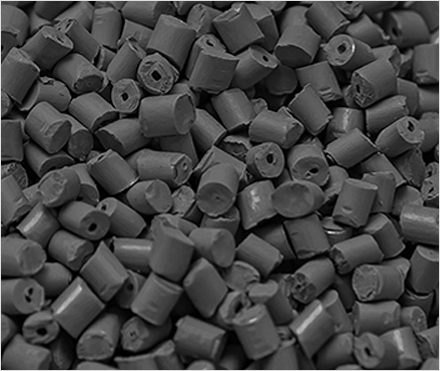
Despite the absence of halogens, ATP's LSZH material maintains exceptional mechanical and thermal properties. Engineered to withstand high temperatures, mechanical stress, and UV exposure, LSZH ensures long-term reliability in demanding environments. Whether deployed in aerospace applications, offshore wind farms, or underground tunnels, ATP's LSZH delivers robust performance without compromising safety. Its superior weatherability and resistance to oxidation make it a reliable choice for critical infrastructure where material failure is not an option.
With increasing regulatory demands and a growing focus on sustainability, low smoke zero halogen material is becoming the new industry standard for cable insulation and jacketing. ATP Polymer Technology continues to lead the market with its CNAS-certified, high-performance LSZH solutions, ensuring safer, cleaner, and more sustainable engineering materials. As industries worldwide transition toward eco-friendly and risk-mitigating alternatives, ATP's LSZH technology stands out as the trusted partner for the future.