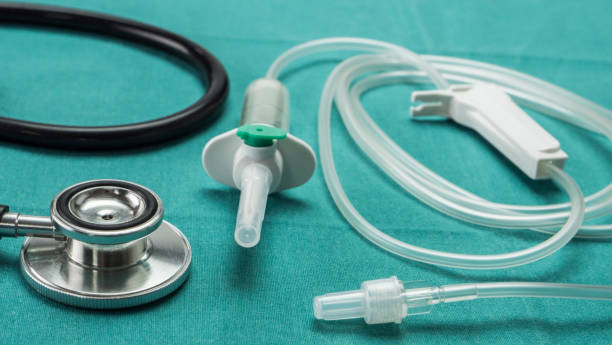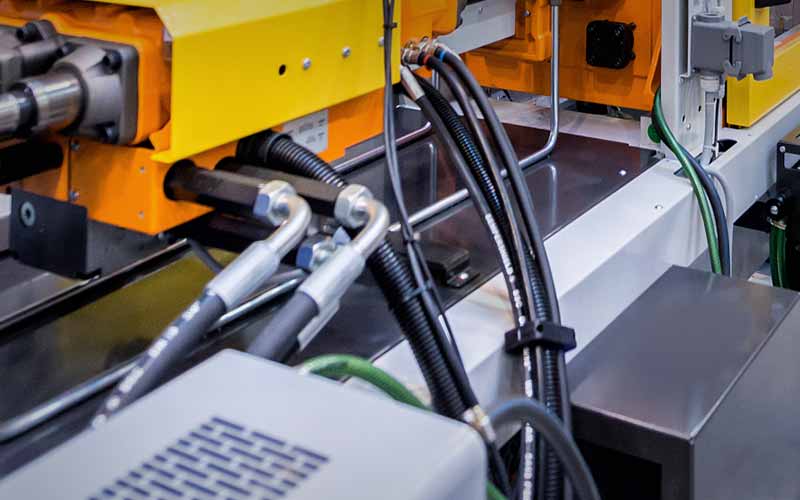
As modern healthcare advances, the demand for high-performance, biocompatible, and sterilizable materials continues to grow. Thermoplastic elastomers (TPEs)—particularly those developed by ATP Polymer Technology—have emerged as an essential material class for medical equipment, wearable devices, and surgical tools. Combining the elasticity of rubber with the processability of thermoplastics, TPEs in medical applications offer superior safety, durability, and regulatory compliance—making them indispensable in hospitals, laboratories, and home healthcare solutions.
Unlike traditional materials such as latex, silicone, and PVC, ATP's medical-grade thermoplastic elastomers deliver unique advantages, including:
Enhanced biocompatibility, meeting ISO 10993 and USP Class VI standards for prolonged skin and tissue contact.
Chemical and radiation resistance, ensuring material stability after repeated autoclaving, gamma irradiation, and ethylene oxide (EtO) sterilization.
Design flexibility, allowing precision molding into complex geometries for catheters, seals, and wearable sensors.
Halogen-free and non-toxic formulations, eliminating risks of latex allergies or phthalate leaching—critical for neonatal and dialysis equipment.
These properties make TPEs in medical applications the ideal choice for manufacturers prioritizing patient safety, regulatory compliance, and cost-efficiency.

From diagnostic tools to implantable components, ATP Polymer Technology's TPEs are revolutionizing healthcare solutions:
Flexible and Sterilizable Tubing Systems
IV infusion sets, catheters, and peristaltic pump tubing requiring kink-resistance and clarity.
Respiratory masks and ventilator components with soft, skin-friendly sealing edges.
Wearable and Home Healthcare Devices
Elastic bands for glucose monitors and smart patches that adhere comfortably for extended wear.
Ergonomic grips for blood pressure cuffs and prosthetic liners, optimizing user comfort and hygiene.
Pharmaceutical Packaging & Drug Delivery Systems
Septa for prefilled syringes and vial stoppers ensuring leak-proof integrity.
Child-resistant yet senior-friendly caps for medication bottles.
Surgical & Diagnostic Equipment
Ultrasound probe covers and biopsy sheaths that maintain tactile sensitivity.
Endoscope components resistant to disinfectants and high-pressure cleaning.
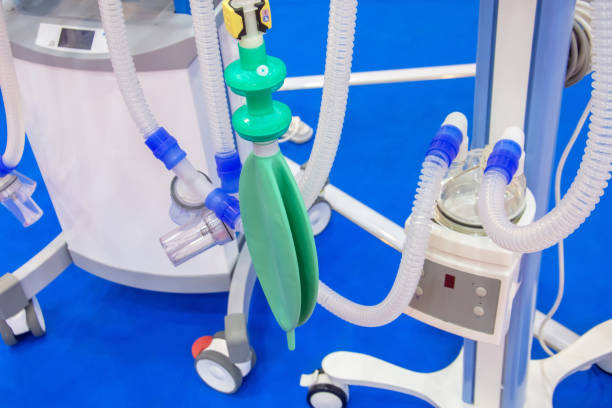
To understand why thermoplastic elastomer in medical applications are superior, consider their performance against conventional materials:
Property | Silicone | Latex | PVC | ATP’s Medical TPEs |
Biocompatibility | Excellent | Risk of allergies | Moderate | Excellent (ISO 10993-certified) |
Sterilization Resistance | Good (EtO, autoclave) | Poor (degrades) | Moderate (may yellow) | Excellent (all methods) |
Tensile Strength (MPa) | 5-10 | 15-25 | 10-20 | 20-40 |
Flexibility (Shore A) | 20-80 | 30-70 | 50-90 | 5-95 (fully customizable) |
Environmental Impact | High-energy manufacturing | Natural but allergenic | Contains plasticizers | Halogen-free, REACH/ROHS compliant |
This comparison highlights why ATP's TPE solutions outperform classic materials while aligning with global regulatory standards such as EU MDR and FDA 21 CFR.
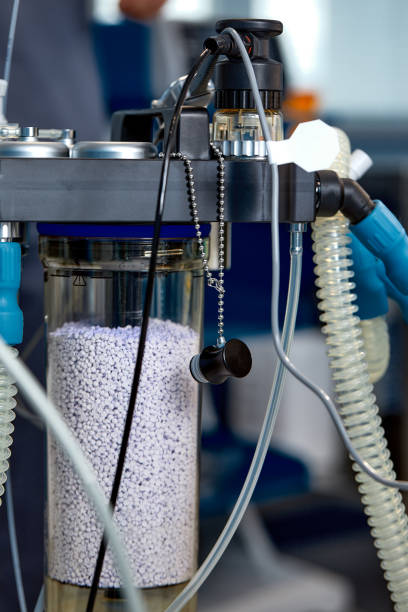
ATP Polymer Technology continues to push boundaries in thermoplastic elastomers for medical applications with:
Conductive TPEs for wearable ECG and EEG monitors requiring signal transmission.
Antimicrobial TPEs infused with silver ions or other agents to reduce infection risks.
Bio-based TPEs derived from renewable resources, supporting sustainable healthcare.
With a CNAS-certified R&D lab and 12,000-ton annual production capacity, ATP ensures consistent quality, rapid prototyping, and customization—crucial for evolving medical demands.
As medical technology advances toward smarter, safer, and more sustainable solutions, thermoplastic elastomers in medical applications will remain at the core of innovation. ATP Polymer Technology's expertise in high-performance TPEs guarantees materials that meet rigorous medical standards while improving patient outcomes. Whether in diagnostic tools, surgical instruments, or wearable health tech, ATP's TPEs set the benchmark for reliability and compliance—ushering in the next era of life-saving medical devices.