In today's rapidly evolving industrial landscape, the demand for safer and more environmentally friendly materials has never been higher. Traditional polymer compounds used in cable insulation and jacketing often contain halogens that release toxic gases when burned, posing serious risks in fire situations. This is where low smoke zero halogen material stands out as a revolutionary solution that combines fire safety with environmental responsibility.
Fire incidents in public spaces like subways, hospitals, and data centers have underscored the importance of materials that don't contribute to casualties through toxic smoke. Traditional PVC cables release dense smoke and corrosive hydrogen chloride gas when burned, which can be more dangerous than the fire itself. ATP Polymer's low smoke zero halogen material addresses these concerns by eliminating halogens entirely while maintaining excellent mechanical and electrical properties. This makes it ideal for applications where human safety is paramount, including rail transportation, smart buildings, and telecommunications infrastructure.
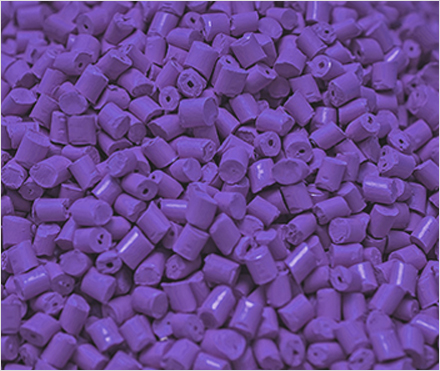
When compared with standard materials, LSZH's advantages become immediately apparent. The absence of chlorine, bromine and other halogens means no toxic fumes are generated during combustion. Moreover, LSZH produces significantly less smoke - typically less than 15% opacity compared to PVC's 60% or higher. ATP's proprietary formulations take this further by enhancing thermal stability and mechanical strength, ensuring cables maintain performance even in extreme conditions. These characteristics have made LSZH the material of choice for mission-critical applications from military communications to emergency power systems in hospitals.
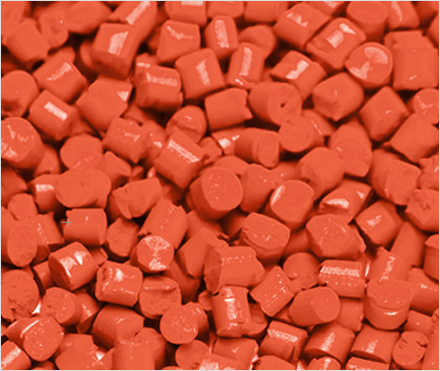
ATP Polymer Technology has positioned itself as a leader in LSZH innovation through substantial investments in research and development. Their CNAS-certified laboratory features cutting-edge equipment capable of testing materials to the most stringent international standards including IEC, EN and UL specifications. What truly sets ATP apart is their team of polymer experts from prestigious institutions like the Chinese Academy of Sciences, who have developed proprietary LSZH compounds that exceed basic safety requirements. These materials not only meet fire safety standards but also offer improved weatherability, flexibility, and longevity compared to conventional LSZH products.
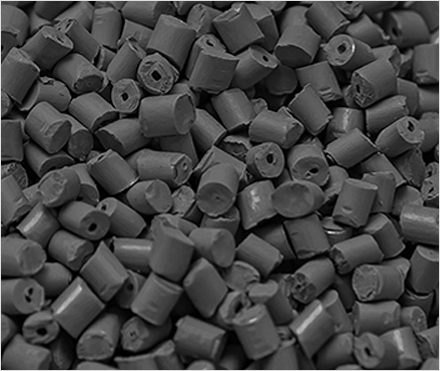
Beyond immediate safety benefits, ATP's low smoke zero halogen material aligns with global sustainability initiatives. The company's manufacturing processes emphasize eco-friendly production methods that minimize energy consumption and waste. Unlike halogenated materials that create persistent organic pollutants, LSZH breaks down safely without releasing dioxins or other harmful substances. This environmental consideration extends throughout the product lifecycle, from production to eventual disposal. ATP's commitment to green chemistry principles has made their LSZH materials preferred solutions for organizations pursuing LEED certification and other environmental benchmarks.
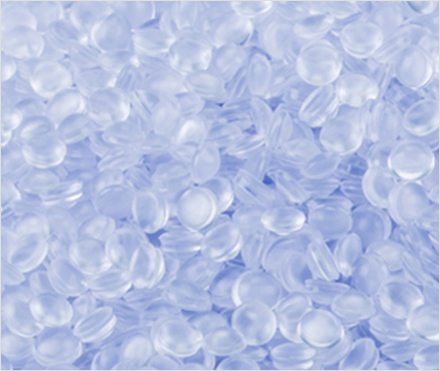
The practical impact of ATP's LSZH technology can be seen across multiple sectors. In rail transportation, their materials ensure passenger safety by preventing smoke accumulation in tunnels during emergencies. For the booming 5G infrastructure market, LSZH provides dependable protection for sensitive network components in crowded urban installations. Smart building developers specify ATP's LSZH cables to meet strict fire codes while future-proofing their electrical systems. Even in extreme environments like offshore platforms and aerospace applications, these halogen-free compounds deliver reliable performance where failure is not an option.