With rising global demand for fire-safe, non-toxic cable materials, Low Smoke Zero Halogen (LSZH) compounds have become essential in industries prioritizing safety, environmental compliance, and performance under extreme conditions.
ATP Polymer Technology (ATP), a CNAS-certified, leading Chinese innovator in sustainable polymer materials, specializes in high-performance LSZH, TPU, XLPE, and TPEs for automotive, 5G, aerospace, and rail transit. Established in 2007, ATP combines advanced R&D (with Ph.D. teams from top universities) with a 12,000-ton production capacity to deliver flame-retardant, low-smoke solutions that meet EU CPR, GB31247, and UL standards.
This guide explores why LSZH outperforms traditional PVC, its top industrial uses, and how it enhances safety in confined spaces—backed by ATP's cutting-edge formulations.
LSZH materials are engineered to minimize toxic emissions and smoke in fires, making them ideal for public infrastructure and enclosed environments. Key benefits include:
Near-zero toxic gas emissions (vs. halogenated cables releasing HCl, CO, and dioxins).
Ultra-low smoke density (<15% opacity vs. PVC’s 60%+), improving visibility for evacuations.
Superior flame resistance (self-extinguishing, meets IEC 60332, EN 50575).
Environmental compliance (ROHS, REACH, EU CPR).
ATP's LSZH compounds go further—enhancing mechanical strength, UV resistance, and flexibility for harsh industrial conditions.
While PVC remains common due to low cost, LSZH dominates in critical safety applications.
Factor | PVC Cables | LSZH Cables (ATP) |
Toxic Gas Release | High (halogens → corrosive HCl) | Negligible (halogen-free) |
Smoke Production | Dense, obscures exits | Minimal smoke |
Flame Spread | Burns readily, drips molten material | Self-extinguishing |
Long-Term Safety | Damages equipment via acid gases | Safe for electronics & humans |
Regulatory Compliance | Fails EU CPR/GB31247-B1 | Exceeds IEC 60332-1, EN 50575 |
Verification: ATP's LSZH passes CNAS lab tests for CPR Class B2ca-s1,d1,a1—the gold standard for fire performance.
Rail Transit (Metro, High-Speed Trains)
ATP's LSZH cable sheathing meets EN 45545-2 for fire resistance in tunnels.
Case Study: Used in China’s Guangzhou Metro for low-smoke emergency circuits.
Marine & Offshore Platforms
IMPA/IMO compliant—resists saltwater corrosion + flame spread in engine rooms.
Smart Buildings & Data Centers
Prevents toxic smoke inhalation in HVAC systems (complies with BS 7846 FT4).
Bonus: ATP's LSZH is also crucial in EV battery harnesses, military cables, and 5G base stations.
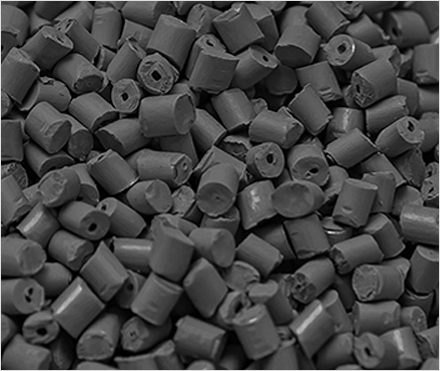
Subways, aircraft, and mines demand materials that won't asphyxiate occupants during fires. ATP's LSZH:
Reduces smoke toxicity (passes NFPA 130 for underground transit).
Prevents "acid rain" from halogen corrosion in shipboard electronics.
Maintains circuit integrity in oil/gas rigs (tested per IEC 60754-1).
Engineer Tip: For aircraft cabins, ATP's UL94 V-0 rated LSZH cuts smoke density by 80% vs. PVC.
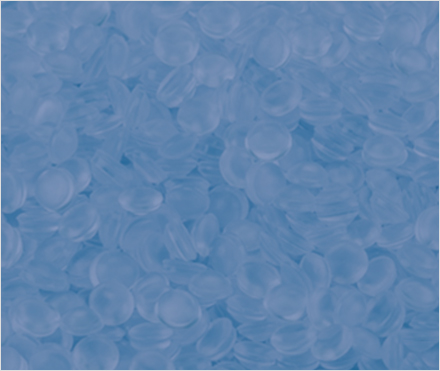
IEC 60754-1/2 – Tests halogen acid gas emission (LSZH must release <0.5% HCl).
EN 50575 – EU's Construction Products Regulation (CPR) for fire performance (ATP meets B2ca-s1,d1,a1).
UL 1685/NFPA 262 – Measures flame spread & smoke density in plenum cables.
ATP's Advantage: CNAS-certified lab ensures full traceability from R&D to production.
ATP Polymer Technology sets the industry benchmark for sustainable, high-performance LSZH materials, merging safety, compliance, and durability.