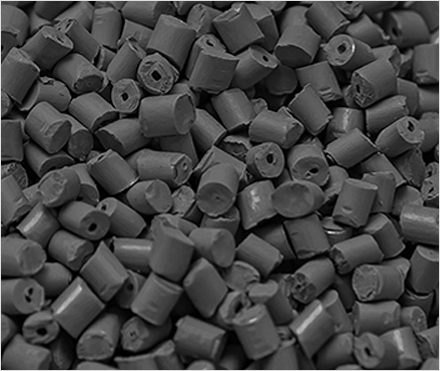
As the world shifts toward renewable energy and electrified transportation, safety and sustainability in material selection have become paramount. Low Smoke Zero Halogen (LSZH) material, a flagship product of ATP Polymer Technology, is playing a pivotal role in enhancing the safety, durability, and environmental compatibility of cables and components used in electric vehicles (EVs), solar farms, wind turbines, and energy storage systems. Unlike conventional halogenated materials, LSZH compounds significantly reduce toxic fumes, corrosive gases, and fire hazards—making them indispensable in modern energy infrastructure.
Traditional cable materials like PVC and halogenated flame retardants pose severe risks in fire scenarios, releasing dense smoke, hydrochloric acid, and other hazardous substances. In contrast, low smoke zero halogen material from ATP offers:
Enhanced Fire Safety – Minimal smoke emission and zero halogen release, critical for confined spaces like EV battery compartments and underground charging stations.
Environmental Compliance – Meets RoHS, REACH, and EU CPR regulations, supporting green energy initiatives.
Corrosion Resistance – Prevents acid gas formation that can damage sensitive electronics and power distribution systems.
Mechanical & Thermal Stability – Withstands high temperatures, UV exposure, and mechanical stress in solar farms and offshore wind installations.
These advantages make LSZH the material of choice for engineers designing next-generation energy solutions.
Electric Vehicles & Charging Infrastructure
Battery wiring harnesses, requiring flame resistance and minimal smoke in thermal runaway events.
High-voltage charging cables, needing durability against abrasion and extreme temperature cycling.
Solar Power Generation & Storage
Photovoltaic (PV) connector cables, exposed to UV radiation and outdoor weathering.
Energy storage system (ESS) enclosures, where fire safety and insulation integrity are critical.
Wind Energy & Offshore Installations
Undersea power transmission cables, resisting saltwater corrosion and high mechanical loads.
Turbine control wiring, ensuring long-term reliability in harsh marine environments.
Smart Grids & Power Distribution
Fire-safe insulation for transformers and switchgear in urban substations.
Underground and tunnel cabling, where smoke suppression saves lives during emergencies.
The table below illustrates why low smoke zero halogen material outperforms traditional alternatives in new energy systems:
Property | PVC (Halogenated) | XLPE | LSZH (ATP's Formulation) |
Smoke Density (Ds Max) | >600 (Extremely High) | 200–400 (Moderate) | <60 (Very Low) |
Halogen Content (%) | 20–40% | <5% | 0% |
Acid Gas Generation (pH) | <3.0 (Highly Corrosive) | 3.5–4.0 | >4.5 (Non-Corrosive) |
Flame Retardancy (UL94) | V-2 to HB | V-0 | V-0 (Highest Rating) |
Operating Temp. Range | -20°C to 105°C | -50°C to 90°C | -40°C to 120°C |
Environmental Impact | High (Toxic Smoke) | Moderate | Low (Eco-Friendly) |
This comparison underscores LSZH's superiority in safety-critical new energy applications.
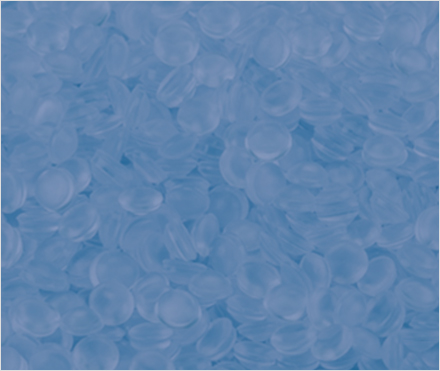
Leading the industry, ATP Polymer Technology delivers advanced low smoke zero halogen material solutions with:
Nanocomposite-enhanced LSZH for higher mechanical strength and flame resistance.
UV-stabilized formulations for outdoor solar and wind farm deployments.
Flexible LSZH grades for dynamic bending in EV battery cables.
With its CNAS-certified laboratory, 12,000-ton annual capacity, and expertise from top research institutions, ATP ensures high-performance LSZH materials meet global standards like IEC 60754, EN 50575, and GB31247.
As electric mobility, renewable power, and smart grids expand, low smoke zero halogen material will continue to be a cornerstone of safety and sustainability. ATP Polymer Technology's cutting-edge LSZH solutions provide the fire resilience, environmental benefits, and long-term reliability needed for the energy transition. By adopting LSZH, manufacturers and energy providers can future-proof their systems while minimizing ecological and safety risks.