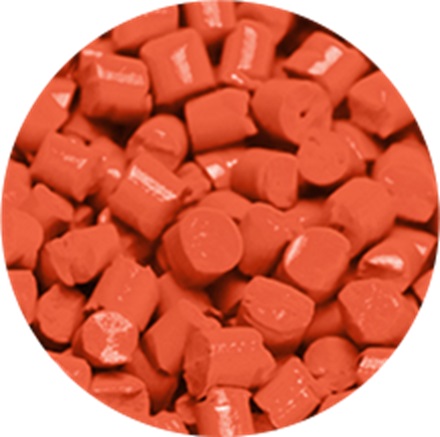
Thermoplastic elastomer (TPE) represents a groundbreaking class of materials that combine the flexibility of rubbers with the processability of thermoplastics. As a leading polymer innovator, ATP Polymer Technology Co., Ltd. specializes in advanced TPE formulations that meet the evolving demands of industries ranging from automotive to consumer electronics. With an annual production capacity of 12,000 tons, ATP's high-hardness TPEs (as detailed on their product page) offer superior performance in applications requiring durability, flexibility, and recyclability.
Unlike conventional thermoset rubbers, TPEs can be melted and remolded, making them cost-effective and sustainable. This article explores the unique properties, applications, and advantages of TPEs, with insights from ATP's CNAS-certified R&D expertise.
TPEs bridge the gap between rigid plastics and elastic rubbers through their unique molecular architecture, which consists of thermoplastic "hard" segments and elastomeric "soft" segments. This structure provides:
Excellent flexibility and elasticity (50-90 Shore A hardness).
High impact resistance and tensile strength.
Chemical resistance (oils, solvents, and UV exposure).
Ease of processing (injection molding, extrusion, blow molding).
Recyclability & environmental benefits (halogen-free options available).
ATP's high-hardness TPE grades further enhance these properties, making them suitable for industrial components, sports equipment, and wearable electronics.
With their versatility and performance, TPEs are used across multiple sectors:
Automotive: Seals, gaskets, and vibration-dampening components.
Consumer Electronics: Soft-touch grips, waterproof cases, and cable insulation.
Medical Devices: FDA-compliant tubing, seals, and ergonomic handles.
Industrial Equipment: Overmolding for tools and machinery parts.
Sporting Goods: High-flexibility shoe soles and protective gear.
As a trusted partner, ATP customizes TPE formulations for specific temperature requirements (from -40°C to 120°C), flame-retardant needs, and food-contact compliance (FDA, LFGB).
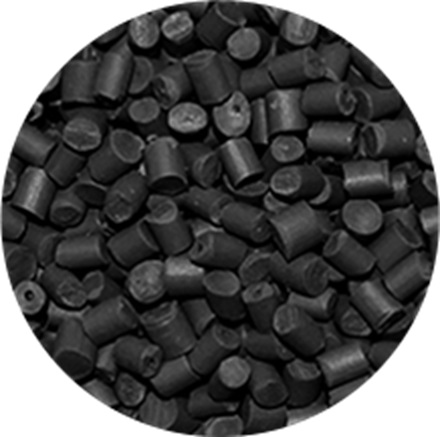
While traditional thermoset rubbers (e.g., EPDM, silicone) offer high elasticity, they lack reprocessability and manufacturing efficiency. The table below highlights key differences between TPEs and alternative materials:
Property | Thermoplastic Elastomer (TPE) | Vulcanized Rubber (EPDM, Silicone) | Thermoplastic Polyurethane (TPU) |
Recyclability | Fully recyclable | Non-recyclable | Partially recyclable |
Processing Speed | Fast molding cycles | Slow curing required | Moderate processing time |
Hardness Range | 20A – 95A (Shore) | 30A – 90A (Shore) | 70A – 85D (Shore) |
Tear Resistance | Moderate to high | Very high | High |
Cost Efficiency | High (low waste) | Moderate | Moderate to high |
ATP's high-hardness TPEs outperform conventional rubbers in cost, sustainability, and manufacturing efficiency, making them ideal for mass production.
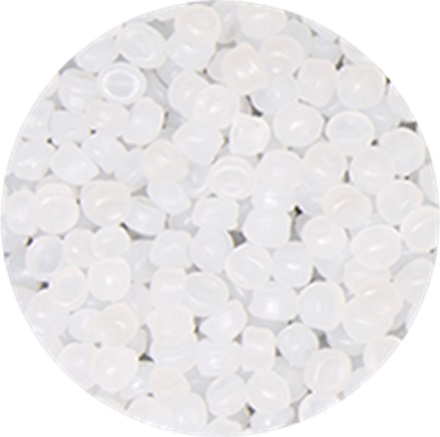
As industries shift toward eco-friendly materials, ATP focuses on bio-based TPEs and halogen-free flame-retardant grades to meet EU RoHS and REACH compliance. Key advancements include:
TPE compounds with post-industrial recycled content.
Biodegradable TPE blends for short-lifecycle products.
Enhanced thermal stability for electric vehicle (EV) components.
With cutting-edge R&D from ATP's Polymer Technology Center, TPEs continue evolving into greener, higher-performance solutions.
Thermoplastic elastomer (TPE) has revolutionized material science by offering recyclability, versatility, and cost-efficiency—advantages that traditional rubbers cannot match. ATP Polymer Technology Co., Ltd. stands at the forefront of this innovation, delivering high-performance TPE solutions tailored to automotive, medical, and industrial applications.
As sustainability demands grow, ATP's high-hardness TPEs prove that flexibility and environmental responsibility can coexist, positioning TPE as the elastomer of choice for future industries.